

Presentation Techniques: Mastering Effective Presentation Skills for Academic and Professional Success
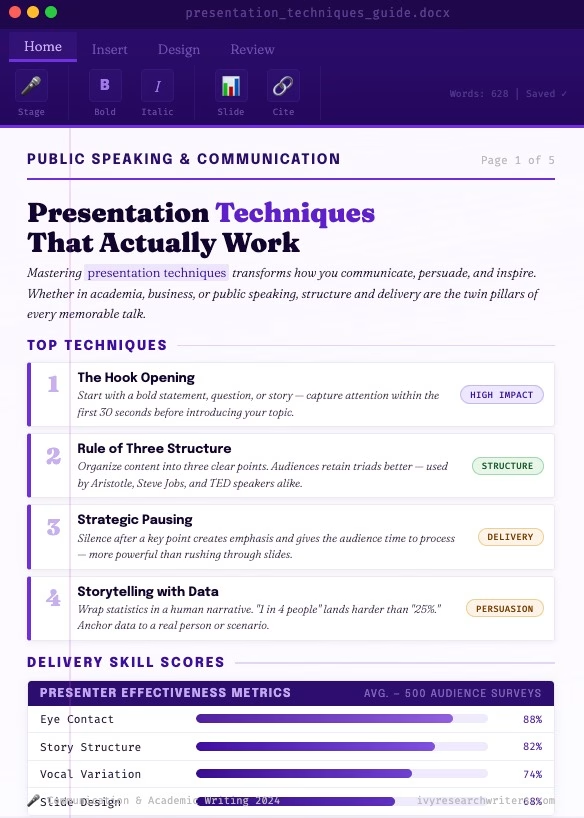
In academic and professional environments, presentation skills play a critical role in communicating ideas clearly and persuasively. Whether you are presenting research findings, pitching a business idea, or leading a classroom discussion, the ability to deliver an effective presentation can significantly influence how your message is received.
Strong presentation abilities combine public speaking, body language, visual aids, and communication skills. When these elements are used effectively, presenters can capture attention, explain complex ideas, and inspire action. This guide explores the most effective presentation techniques, practical tips, and strategies to help you improve your presentation skills and confidently give a good presentation in any setting.
Why Presentation Skills Are Important in Academic and Professional Settings
Presentation skills are important because they allow individuals to communicate ideas clearly and effectively in front of an audience. In universities, students often present research papers, project proposals, and case studies. In workplaces, professionals frequently present reports, data analyses, and strategic recommendations.
Strong presentation skills are essential because they help individuals:
- Deliver information with clear delivery
- Maintain the attention of your audience
- Build credibility and confidence
- Explain complex concepts in simple terms
- Persuade listeners through impactful presentations
Developing good presentation skills also improves overall communication skills, which are essential in leadership roles, professional meetings, and collaborative projects.
Good Presentation Skills Every Presenter Should Master
To deliver a successful presentation, presenters must develop a set of core abilities that combine verbal communication and visual storytelling.
Key effective presentation skills include:
Clear Speaking and Communication
A strong presenter must speak clearly and articulate ideas in a structured manner. Avoid speaking too quickly or using unnecessary technical jargon.
Confidence and Stage Presence
Confidence influences how audiences perceive the presenter. Maintaining strong stage presence helps speakers deliver information with authority.
Eye Contact and Audience Engagement
Maintaining eye contact with the audience builds trust and strengthens the connection with your audience.
Body Language and Gestures
Using appropriate gesture and body language helps reinforce your message. Presenters should use appropriate gestures to emphasize important points.
Visual Storytelling
Visual aids such as PowerPoint slides, charts, or video clips help clarify complex information and keep audiences engaged.
Effective Presentation Techniques for Delivering a Killer Presentation
Learning effective presentation techniques can transform an average talk into a memorable experience. These techniques help presenters keep your audience engaged and ensure the message resonates.
Start Your Presentation with a Strong Opening
A strong opening captures attention immediately. Consider starting with:
- A surprising statistic
- A compelling question
- A short story
- A relevant real-world example
When you start your presentation with an engaging introduction, it helps establish the tone for the rest of the talk.
Use Slides Strategically
Slides should support your ideas rather than overwhelm your audience. When designing presentation slides, follow these tips:
- Use bullet points rather than long paragraphs
- Include charts when presenting data
- Use images to illustrate key ideas
- Keep slides visually simple
Slides should support your message rather than distract from the presenter.
Practice and Rehearse
Preparation is critical to delivering a good presentation. Presenters should rehearse multiple times before presenting.
Practicing helps you:
- Refine your speaking skills
- Improve presentation delivery
- Manage presentation time
- Identify areas that require clarification
Rehearsing also builds confidence when speaking in front of the audience.
Use Effective Voice Techniques
A strong voice helps maintain audience attention throughout the presentation. Effective presenters:
- Pause for emphasis
- Vary their tone and pacing
- Speak with clarity and confidence
An effective voice ensures that the audience can easily follow the speaker’s message.
Mastering Body Language and Eye Contact
Nonverbal communication is one of the most powerful tools in public speaking. A presenter’s posture, gestures, and facial expressions communicate confidence and credibility.
Important body language techniques include:
- Maintain eye contact with different audience members
- Use gestures and body language to emphasize points
- Avoid crossing arms or looking down at notes
- Face the audience rather than the screen
Maintaining proper body language helps presenters keep the audience engaged throughout the presentation.
Using Presentation Tools and Visual Aids Effectively
Modern presentation software and digital tools can enhance the effectiveness of a presentation. Popular tools include:
- PowerPoint
- Google Slides
- Prezi
- Canva presentations
These tools allow presenters to incorporate visual aids, video clips, charts, and animations.
However, presenters should remember that presentation materials should enhance the presentation rather than replace the speaker. Technology should support communication rather than distract from it.
How to Handle Questions During the Presentation
A key component of delivering the presentation involves responding to audience questions. Skilled presenters prepare for questions in advance and remain calm and confident when answering them.
To effectively handle questions during the presentation:
- Listen carefully to the question
- Clarify if necessary
- Provide concise answers
- Maintain eye contact
Handling questions effectively demonstrates expertise and professionalism.
Improve Your Presentation Skills with IvyResearchWriters
Struggling to make your presentation clear, engaging, and academically strong? At IvyResearchWriters.com, our expert academic writers and communication specialists help students and professionals create impactful presentations that capture the audience’s attention and deliver ideas with confidence.
Ending Your Presentation with a Strong Call to Action
The end of your presentation should reinforce your key message and inspire the audience to act. A powerful closing ensures that your ideas remain memorable.
Effective closing techniques include:
- Summarizing key points
- Delivering a clear call to action
- Asking a thought-provoking question
- Reinforcing the main message
A strong conclusion helps ensure that your message stick with the audience.
Tips for Improving Your Presentation Skills
Students and professionals can continuously improve their presentation abilities by practicing the following strategies:
- Study examples of many presentation styles
- Watch professional speakers
- Record and evaluate practice sessions
- Seek feedback from peers or mentors
- Learn new presentation techniques
By regularly refining these skills, individuals can become a better presenter and deliver impactful presentations in both academic and professional settings.
Crafting Compelling Presentations That Resonate with Your Audience
Ultimately, crafting compelling presentations involves understanding the audience and delivering information in a meaningful way. Presenters must focus on clarity, engagement, and storytelling.
Effective presenters:
- Structure their message logically
- Use visuals to support ideas
- Maintain a confident presence
- Communicate with passion and clarity
When these elements work together, presenters can create presentations that truly resonate with audiences.
Final Thoughts on Presentation Techniques
Developing strong presentation skills and give effective talks is a valuable skill in both education and professional environments. By applying the right presentation techniques, speakers can deliver information clearly, confidently, and persuasively.
From mastering eye contact and gestures to designing effective PowerPoint slides, every presenter can improve their ability to communicate ideas effectively. With practice, preparation, and confidence, anyone can give a killer presentation that leaves a lasting impression.
Frequently Asked Questions
What are the five presentation techniques?
Several presentation techniques can help speakers deliver a compelling talk and maintain the audience’s attention. Mastering these strategies ensures that every presentation is engaging, clear, and memorable.
Key techniques include:
- Strong opening and structure
Start with a clear introduction that explains the purpose of the talk. When giving a presentation, beginning with a question, statistic, or story can immediately capture interest and make your message memorable. - Confident delivery and body language
Effective presenters stand confidently, maintain eye contact, and focus on facing your audience. This type of confident delivery helps establish credibility and professionalism. - Visual aids and presentation tools
Tools like PowerPoint help present ideas visually. Slides can highlight key points when presenting information, making complex concepts easier to understand. - Audience engagement techniques
Asking questions or telling stories can make the audience feel involved. These techniques can help keep listeners interested throughout your presentation. - Clear conclusion with key takeaways
A strong ending summarizes the main ideas and reinforces the purpose of the talk. It helps ensure the audience remembers the core message.
These presentation tips demonstrate how skills can help transform a basic talk into a professional and effective presentation.
What are techniques of presentation?
Techniques of presentation refer to the strategies and methods used to communicate ideas clearly when presenting information to an audience. These approaches focus on clarity, engagement, and organization.
Important presentation techniques include:
- Structuring ideas logically to make a point
- Choosing the right type of presentation depending on the audience and context
- Using visuals and examples to make your presentation easier to follow
- Speaking clearly and maintaining eye contact to help keep your presentation engaging
- Adjusting tone and formality depending on the formality of the occasion
For example, an academic conference presentation may require formal language and detailed research findings, while a classroom presentation may focus more on storytelling and visual examples.
By mastering presentation skills, speakers can deliver clear messages and ensure audiences understand the main ideas.
What are the 7 presentation skills?
There are several essential presentation skills important for delivering professional talks. Developing these abilities can significantly improve how effectively a speaker communicates ideas.
Seven key presentation skills include:
- Public speaking ability – speaking clearly and confidently when giving a presentation.
- Organization and structure – arranging ideas logically to ensure the audience understands the message.
- Audience engagement – techniques that help maintain the audience’s attention.
- Visual communication – using slides or diagrams like PowerPoint to support key ideas.
- Body language and stage presence – maintaining posture, gestures, and facing your audience confidently.
- Preparation and rehearsal – practicing beforehand to deliver it with confidence.
- Clarity and message delivery – simplifying complex ideas to make your message easy to understand.
These abilities are central to mastering presentation skills, which are valuable in academic research, professional settings, and leadership roles.
What is the 5-5-5 rule for presentations?
The 5-5-5 rule is a widely used guideline for designing clear and effective presentation slides. It is commonly applied when creating slides like PowerPoint.
The rule suggests:
- No more than 5 words per line
- No more than 5 lines per slide
- No more than 5 text-heavy slides in a row
The purpose of this rule is to ensure that slides do not overwhelm the audience. Instead of reading long paragraphs, presenters can focus on presenting information verbally while slides highlight the key ideas.
This method helps:
- Help keep your presentation visually clean
- Maintain the audience’s attention
- Allow the speaker to explain ideas naturally rather than reading slides
Using strategies like the 5-5-5 rule is one of many tips for effective presentations that improve clarity and engagement.
Why Students Use IvyResearchWriters to Improve Presentation Skills
For students preparing research defenses, thesis presentations, or academic seminars, professional support can make a significant difference. At IvyResearchWriters, experts help students develop structured presentations, refine speaking strategies, and design professional slides that effectively communicate research findings.
Whether you need help organizing research or improving delivery techniques, our specialists can help you make the presentation impactful and professional.

