

Over the Counter Antibiotics: What You Need to Know
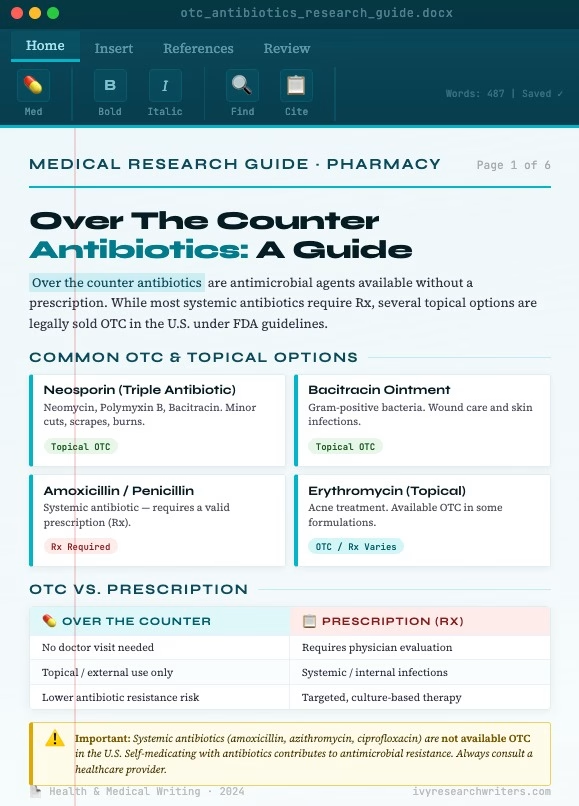
Antibiotics are powerful medications used to treat infections caused by bacteria. However, many people wonder whether antibiotic over the counter options exist and whether it is possible to get antibiotics without seeing a doctor / over the counter antibiotics. Understanding how antibiotics work, when they are needed, and why many antibiotics require a prescription is essential for safe and effective treatment.
This guide explains the role of antibiotics, the difference between prescription and over-the-counter options, and when antibiotic treatment may be necessary.
What Is an Antibiotic and How Does It Work?
An antibiotic is a type of medicine used to treat bacterial infections. Antibiotics work by killing bacteria or preventing them from multiplying in the body.
Antibiotics are used to treat different bacterial infections, including:
- Urinary tract infection (UTI)
- Strep throat
- Sinus infection
- Skin infections
- Certain respiratory infections
These medications are powerful tools in modern medicine because antibiotics are used to treat bacterial infections that the immune system cannot fight alone.
However, antibiotics do not treat viral infections such as:
- The common cold
- Influenza
- Most sore throats
- Many sinus infections caused by viruses
Understanding this difference is important because unnecessary antibiotic use contributes to antibiotic resistance.
Key Differences Between Antibiotics, Antivirals, and Antifungals
| Category | Treats | Target Organism | How They Work | Example Medications |
|---|---|---|---|---|
| Antibiotics | Bacterial infections | Bacteria | Kill bacteria or stop their growth | Amoxicillin, Penicillin |
| Antivirals | Viral infections | Viruses | Prevent viruses from multiplying | Tamiflu, Acyclovir |
| Antifungals | Fungal infections | Fungi | Destroy fungal cells or stop growth | Fluconazole, Nystatin |
Are Antibiotics Available Over the Counter?
Many people search for antibiotics without a prescription or want to know whether they can get antibiotics over the counter.
In most countries, including the United States:
- Antibiotics are not available over the counter
- Antibiotics require a prescription from a doctor
- Healthcare providers must evaluate the infection before prescribing medication
This rule exists because antibiotics must be used carefully. Incorrect use can lead to antibiotic resistance, a growing global health concern.
Although some topical antibiotics are available over the counter, most oral antibiotics require medical supervision.
Why Antibiotics Require a Prescription
Most prescription antibiotics require approval from a healthcare professional. Doctors evaluate symptoms, determine whether the infection is bacterial, and choose the correct medication.
Healthcare providers prescribe antibiotics to ensure that:
- The correct medication is used
- The dosage is appropriate
- The infection actually requires antibiotics
For example, primary care physicians can prescribe antibiotics for bacterial infections such as strep throat, urinary tract infections, or certain sinus infections.
Without proper diagnosis, taking antibiotics unnecessarily can cause serious health problems.
Types of Antibiotics Used for Bacterial Infection
There are several types of antibiotics, each designed to treat specific bacteria.
Oral Antibiotics
Oral antibiotics are taken by mouth and are commonly used to treat infections inside the body.
Examples include:
- Amoxicillin
- Penicillin
- Broad-spectrum antibiotics
Doctors often prescribe oral antibiotics for bacterial infections such as strep throat or urinary tract infections.
Topical Antibiotics
Topical antibiotics are available over the counter in many pharmacies. These medications are applied directly to the skin.
Examples include:
- Antibiotic cream
- Antibiotic ointment
These products are commonly used for minor skin injuries or infections.
Injectable Antibiotics
For serious infections, hospitals may administer injectable antibiotics. These medications are stronger and used for severe bacterial conditions.
Commonly Prescribed Antibiotics
Some commonly prescribed antibiotics include:
- Amoxicillin
- Penicillin
- Azithromycin
- Doxycycline
These medications are used to treat bacterial infections such as:
- Strep throat
- Urinary tract infection
- Sinus infection
- Skin infections
Doctors choose the appropriate antibiotic based on the specific infection and the patient’s medical history.
Can You Get Antibiotics Without Seeing a Doctor?
Many people wonder whether they can get antibiotics without seeing a doctor or buy antibiotics online.
Some telehealth services allow physicians to prescribe antibiotics online following a virtual consultation. During these consultations:
- A doctor reviews symptoms
- A diagnosis is made
- An antibiotic prescription may be issued if necessary
This process allows patients to get prescribed antibiotics safely without visiting a clinic in person.
However, legitimate healthcare platforms still require a prescription because antibiotics require a prescription for safety reasons.
Antibiotics Online: What to Know
Some websites claim to sell antibiotics without a prescription, but this practice can be dangerous.
Buying antibiotics from unregulated sources can result in:
- Incorrect medication
- Improper dosage
- Fake or contaminated drugs
The safest way to get prescribed antibiotics is through licensed healthcare providers.
Exam Questions for Pharmacology Students: Antimicrobial Drugs
Section A: Multiple Choice Questions (MCQs)
1. Which of the following drugs is classified as a beta-lactam antibiotic?
A. Ciprofloxacin
B. Amoxicillin
C. Tetracycline
D. Metronidazole
Answer: B. Amoxicillin
2. Antibiotics are primarily used to treat:
A. Viral infections
B. Fungal infections
C. Bacterial infections
D. Parasitic infections
Answer: C. Bacterial infections
3. Which antimicrobial drug works by inhibiting bacterial cell wall synthesis?
A. Penicillin
B. Erythromycin
C. Chloramphenicol
D. Tetracycline
Answer: A. Penicillin
4. Which of the following is an antiviral medication?
A. Fluconazole
B. Acyclovir
C. Penicillin
D. Streptomycin
Answer: B. Acyclovir
5. Antifungal drugs are used to treat infections caused by:
A. Viruses
B. Bacteria
C. Parasites
D. Fungi
Answer: D. Fungi
Section B: Short Answer Questions
6. Define antimicrobial drugs.
Answer:
Antimicrobial drugs are medications used to kill or inhibit the growth of microorganisms such as bacteria, viruses, fungi, and parasites.
7. What is antibiotic resistance?
Answer:
Antibiotic resistance occurs when bacteria evolve mechanisms that allow them to survive exposure to antibiotics, making infections harder to treat.
8. Name two commonly prescribed antibiotics.
Answer:
- Amoxicillin
- Penicillin
9. What is the difference between bactericidal and bacteriostatic antibiotics?
Answer:
- Bactericidal antibiotics kill bacteria directly.
- Bacteriostatic antibiotics stop bacteria from growing and reproducing.
10. What are broad-spectrum antibiotics?
Answer:
Broad-spectrum antibiotics are drugs that act against a wide range of bacterial species, including both gram-positive and gram-negative bacteria.
Section C: Essay Questions
11. Explain the mechanisms of action of antibiotics.
Answer (Sample Outline):
Antibiotics work through several mechanisms, including:
- Inhibition of cell wall synthesis (e.g., penicillin)
- Inhibition of protein synthesis (e.g., tetracycline)
- Inhibition of DNA replication (e.g., fluoroquinolones)
- Disruption of metabolic pathways (e.g., sulfonamides)
These mechanisms prevent bacteria from surviving and multiplying.
12. Discuss the causes and consequences of antibiotic resistance.
Answer (Key Points):
Causes include:
- Overuse of antibiotics
- Incomplete antibiotic courses
- Misuse for viral infections
Consequences include:
- Reduced effectiveness of treatments
- Increased healthcare costs
- Higher mortality rates
- Spread of resistant bacteria
Section D: Clinical Case Question
13. A patient presents with symptoms of strep throat. The physician prescribes amoxicillin.
Questions:
a) What type of infection is strep throat?
Answer: Bacterial infection
b) Why are antibiotics used to treat this infection?
Answer: Because antibiotics target bacteria and eliminate the infection.
c) What may happen if the patient does not complete the antibiotic course?
Answer: The infection may return and antibiotic resistance may develop.
Section E: True or False
14. Antibiotics are effective against viral infections.
Answer: False
15. Antifungal drugs are used to treat yeast infections.
Answer: True
16. Overuse of antibiotics can lead to antimicrobial resistance.
Answer: True
Conditions That May Require Antibiotics
Certain infections require antibiotics to prevent complications.
Examples include:
Urinary Tract Infection
A urinary tract infection is caused by bacteria in the urinary tract and typically requires antibiotic treatment.
Strep Throat
Strep throat, caused by streptococcus bacteria, usually requires oral antibiotics such as amoxicillin or penicillin.
Bacterial Sinus Infection
Although many sinus infections are viral, severe bacterial infections may require antibiotics.
Need Help With Your Medical or Health Research Paper?
Topics like antibiotics, antibiotic resistance, and bacterial infections can be complex and require accurate research, credible sources, and proper academic formatting. If you’re writing a paper on healthcare, medicine, or pharmacology, getting expert guidance can make a big difference.
Risks of Taking Antibiotics Without Medical Guidance
Using antibiotics incorrectly can lead to serious problems.
Antibiotic Resistance
One of the biggest risks is antibiotic resistance, which occurs when bacteria become resistant to antibiotics.
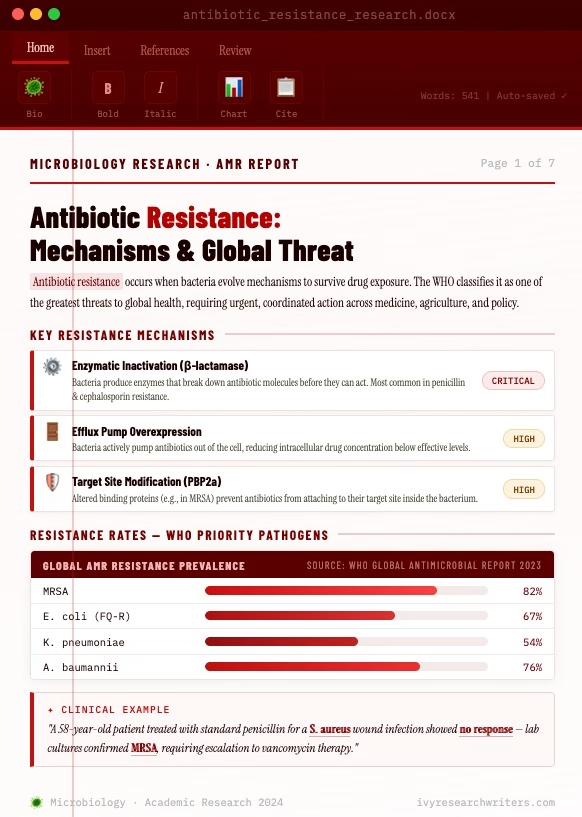
This happens when antibiotics are:
- Overused
- Taken unnecessarily
- Not completed as prescribed
The overuse of antibiotics makes it harder to treat infections in the future.
Side Effects and Drug Interactions
Antibiotics can cause side effects such as:
- Stomach upset
- Allergic reactions
- Diarrhea
In some cases, antibiotics can interact with other medications, making professional medical guidance essential.
Benefits of Antibiotics When Used Correctly
When used properly, antibiotics provide significant health benefits.
The benefits of antibiotics include:
- Treating serious bacterial infections
- Preventing complications
- Reducing infection spread
When doctors administer antibiotics appropriately, they can effectively eliminate harmful bacteria.
Pharmacology and Microbiology Assignments
Pharmacology and microbiology are essential fields in medical and life sciences education. Students studying these subjects often complete assignments that explore drug mechanisms, bacterial infections, antibiotic resistance, microbial structure, and disease treatment. Because these topics require both scientific understanding and strong academic writing skills, many students look for expert guidance when preparing their coursework.
At IvyResearchWriters.com, we assist students with a wide range of pharmacology and microbiology assignments, ensuring accurate research, proper formatting, and clear explanations of complex concepts.
Common Pharmacology Assignment Topics
Pharmacology assignments often focus on how medications interact with the human body and how drugs are used to treat diseases.
Examples include:
- Mechanisms of drug action
- Antibiotics and antimicrobial therapy
- Pharmacokinetics and pharmacodynamics
- Drug interactions and side effects
- Prescription vs over-the-counter medications
- Antibiotic resistance and antimicrobial stewardship
- Clinical drug therapy case studies
Students may also analyze commonly prescribed antibiotics such as amoxicillin and penicillin, examining how these drugs treat bacterial infections.
Common Microbiology Assignment Topics
Microbiology assignments typically explore microorganisms such as bacteria, viruses, fungi, and parasites.
Typical topics include:
- Bacterial cell structure and function
- Pathogenic microorganisms
- Infection transmission and prevention
- Laboratory diagnostic methods
- Microbial genetics
- Antibiotic resistance mechanisms
- Host–pathogen interactions
For example, a microbiology paper may examine how antibiotics are used to treat bacterial infections like strep throat or urinary tract infections.
Types of Pharmacology and Microbiology Assignments
Students may be asked to complete different types of academic tasks, including:
Research papers
Detailed academic papers analyzing medical or microbiological topics.
Case studies
Clinical scenarios where students evaluate symptoms, identify pathogens, and recommend treatments.
Lab reports
Documentation of laboratory experiments involving microbial cultures or drug testing.
Literature reviews
Analysis of published research on pharmacological treatments or microbial diseases.
Essay assignments
Conceptual discussions of topics such as antimicrobial resistance or drug development.
Skills Required for These Assignments
Successful pharmacology and microbiology assignments require:
- Understanding of biological and chemical processes
- Ability to interpret scientific research
- Critical thinking and data analysis
- Academic writing and referencing skills
- Knowledge of citation styles such as APA or Harvard
These assignments often require students to review scientific literature and explain complex biological concepts clearly.
How IvyResearchWriters.com Can Help
At IvyResearchWriters.com, we provide expert assistance with pharmacology and microbiology coursework.
Our services include:
- Custom research papers and essays
- Case study analysis
- Lab report writing support
- Literature review development
- Editing and proofreading
- APA, MLA, and Harvard formatting
Our academic writers ensure that each assignment is well-researched, clearly structured, and plagiarism-free, helping students achieve higher grades and a deeper understanding of their subject.
Antibiotic Resistance Research Paper Example in APA Format
Responsible Antibiotic Use
To reduce health risks, healthcare providers recommend responsible antibiotic use.
Patients should:
- Only take antibiotics when prescribed
- Follow dosage instructions carefully
- Complete the full course of treatment
Using antibiotics correctly helps protect both individual and public health.
Conclusion
Although many people search for antibiotics over the counter, most antibiotics are not available without a prescription. This regulation ensures that antibiotics are used safely and only when necessary.
Healthcare providers carefully evaluate infections before prescribing medication, helping prevent antibiotic resistance and other complications.
While topical antibiotics are available over the counter for minor skin infections, most oral antibiotics for bacterial infections require medical supervision.
Understanding when antibiotics are needed—and when they are not—helps promote responsible antibiotic use and protects public health.
FAQs About Over-the-Counter Antibiotics
What is the closest thing to antibiotics over the counter?
The closest options people can get over the counter are topical antibiotics, which are usually sold as creams or ointments for minor skin problems. These products are used for small cuts, scrapes, or superficial skin infections.
- Antibiotics are creams applied directly to the skin.
- Antibiotic creams used for minor wounds can help prevent infection.
- These products are different from oral antibiotics, which are stronger medications taken by mouth.
It is important to remember that antibiotics aren’t available over the counter in oral form in most countries. Most medications used to treat internal infections must be prescribed by a healthcare provider because antibiotics are a class of medicines that must be used carefully to avoid misuse and resistance.
What antibiotics can I buy over the counter?
In most healthcare systems, different types of antibiotics used for internal infections are not available for direct purchase. Medications such as amoxicillin and penicillin, which are among the common antibiotics prescribed, require medical supervision.
These medications are used when antibiotics are needed to treat bacterial infections like strep throat or certain respiratory infections. Because of the risks of misuse and antibiotic resistance, these drugs cannot legally be purchased without professional approval.
In general:
- Stronger antibiotics require medical evaluation.
- Doctors determine whether antibiotics are needed before providing an antibiotic prescription.
- Attempting to obtain antibiotics without a prescription can be unsafe and illegal in many regions.
Can I get antibiotics without seeing a doctor?
Traditionally, patients must visit a healthcare provider to get oral antibiotics. However, modern telehealth services now allow patients to receive care remotely.
For example:
- Physicians can prescribe antibiotics online following a virtual consultation.
- During these appointments, healthcare providers evaluate symptoms and determine whether antibiotics are prescribed.
This approach allows patients to receive legitimate treatment without visiting a clinic in person, while still ensuring that antibiotics are used responsibly.
Can you get rid of an infection without antibiotics?
Yes, in some cases infections can improve without antibiotic medication. This is because antibiotics treat bacterial infections, but many illnesses are caused by viruses or mild conditions that the immune system can handle on its own.
For example:
- Colds and flu are viral infections, so antibiotics aren’t effective.
- Some mild bacterial infections may resolve naturally.
However, sometimes antibiotics are needed, especially when infections become severe or persistent. Doctors determine when antibiotics are needed to treat conditions such as:
- Strep throat
- Certain urinary tract infections
- Serious bacterial illnesses
In these cases, healthcare providers may use antibiotics to treat the infection and prevent complications. Although antibiotics can be highly effective, it is important to remember that oral antibiotics can cause side effects and should only be taken when medically necessary.

