

Career Aspirations Examples: How to Define Your Goals and Impress Any Interviewer
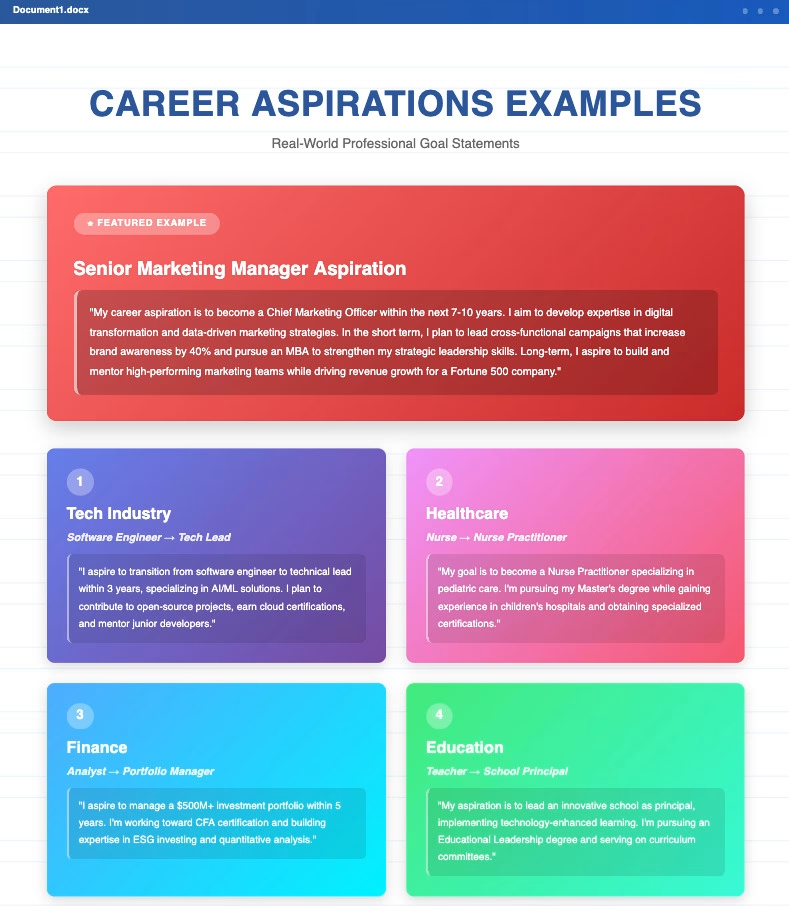
Talking about your career aspirations can feel intimidating — especially during a job interview. Yet employers ask this question because they want to understand your long-term career vision, your professional development goals, and how you plan to grow within their organization.
Whether you’re a student, recent graduate, or seasoned professional, this guide will walk you through career aspirations examples, how to identify your career aspirations, and how to answer the career aspirations question confidently.
Career Aspiration: What It Means and Why It Matters
A career aspiration refers to your long-term professional ambition — what you aspire to become or achieve throughout your career.
It goes beyond a single job. A career aspiration reflects:
- Your ultimate career goal
- Your long-term professional goals and ambitions
- Your approach to career development
- Your vision for personal and professional growth
For example:
- Aspiration is to become a subject matter expert in your field
- Aspire to become a leader in innovative projects
- Aspiration is to move into leadership roles
Understanding your career aspiration helps you make better career decisions and align your chosen career path with your desired career trajectory.
Career Aspirations Examples: Realistic and Strategic Goals
Here are practical career aspirations examples that demonstrate ambition while remaining realistic and relevant to your industry.
Example 1: Leadership and Management
“One of my career ambitions is to move into a leadership position where I can apply my management skills and develop a collaborative leadership style.”
This example shows:
- Long-term career goals
- Interest in leadership roles
- Commitment to career advancement
Example 2: Becoming a Subject Matter Expert
“My ultimate career aspiration is to become an expert in my field and contribute to thought leadership through industry conferences and innovative projects.”
This reflects:
- Professional aspirations
- Personal brand development
- Long-term professional growth
Example 3: Career Growth Through Skill Expansion
“Within the next three years, I aim to gain experience in project management and expand my professional network to help me reach my career aspirations.”
This demonstrates:
- Short-term goals
- Long-term aspirations
- Strategic career development
Career Goal: Short-Term vs Long-Term Goals
A career goal is a specific milestone you want to achieve.
Short-Term Goals
Short-term goals examples include:
- Gain experience in a specific job
- Improve time management skills
- Develop interpersonal skills
- Complete professional development goals
Short-term goals help you take the next step in your career.
Long-Term Career Goals
Long-term career goals may include:
- Achieving career success in your chosen field
- Moving up the career ladder
- Becoming a leadership figure
- Establishing a personal brand
Goals are specific when they include measurable outcomes such as performance metrics and timeframes.
Sample Interview Scripts (Strong, Polished Answers)
🎯 Script 1: General Professional Growth
Question: “What are your career aspirations?”
Answer:
“One of my career aspirations is to grow into a leadership position where I can combine strategic thinking with strong interpersonal skills. In the short term, I want to gain experience in project management and contribute to innovative projects that align with the organization’s goals. Within the next three years, I aim to take on greater responsibility and develop my management skills so I can eventually mentor others and help drive organizational success.”
Why this works:
- Aligns with the role
- Shows short-term and long-term goals
- Demonstrates ambition without sounding unrealistic
🎯 Script 2: Subject Matter Expert Path
“My long-term aspiration is to become a subject matter expert in my field. I’m passionate about professional growth and thought leadership. I plan to attend industry conferences, expand my professional network, and continuously refine my skills so I can contribute meaningfully to the organization and stay relevant to my industry.”
Why this works:
- Shows commitment to professional development
- Emphasizes continuous learning
- Aligns with company value creation
🎯 Script 3: Leadership & Management Track
“My ultimate career aspiration is to move into a leadership role where I can help shape strategy and build high-performing teams. I’m currently focused on strengthening my time management skills and project coordination abilities. Over time, I’d like to develop a leadership style that promotes collaboration and innovation.”
Why this works:
- Mentions personal development
- Shows career progression
- Aligns with long-term professional goals
Business School Career Statement (Sample)
Statement of Career Aspirations for MBA Application
Throughout my career journey, I have been motivated by a desire to contribute to innovative projects that create measurable impact. My short-term goal is to enhance my strategic and management skills through structured business education. Within the next three years, I aim to transition into a mid-level leadership position where I can oversee cross-functional teams and drive operational efficiency.
My long-term professional goal is to become a senior executive leader who combines analytical insight with ethical decision-making. By building a strong professional network, refining my leadership style, and gaining exposure to global markets, I aspire to influence business strategy and contribute meaningfully to sustainable organizational growth. Business school represents the next step in my career development and will equip me with the tools necessary to achieve my ultimate career aspiration.
5-Year Career Plan Template
You can customize this framework for any industry.
Year 1–2: Foundation & Skill Building
- Gain experience in your specific job
- Improve interpersonal and time management skills
- Build a professional network
- Attend industry conferences
- Seek mentorship
Year 3: Advancement Phase
- Take on leadership roles
- Lead small innovative projects
- Develop project management skills
- Track performance metrics
Year 4–5: Leadership & Specialization
- Move into a leadership position
- Establish personal brand
- Become an expert in your field
- Contribute to thought leadership
- Expand industry visibility
Interviewer Expectations: What Hiring Managers Want to Hear
When an interviewer or hiring manager asks about your career ambitions, they want to see:
- Alignment with the role you’re applying for
- Commitment to personal growth
- Clear development goals
- Ambition without unrealistic expectations
A potential employer wants to know that your future career plans could lead to future contributions within their company.
Your answer should:
- Be specific
- Align with the specific job
- Show enthusiasm for career growth
Need Help Crafting the Perfect Career Response?
Whether you’re preparing for interview questions, writing a graduate school essay, or refining your professional statement, IvyResearchWriters.com can help you:
Order your customized career statement today and take the next step toward achieving your professional goals.
Identify Your Career Aspirations: A Step-by-Step Guide
To identify your career aspirations, ask yourself:
- What kind of professional life do I envision?
- Do I aspire to become a leader or a subject matter expert?
- What kind of impact do I want to contribute to the world?
- What brings me job satisfaction?
Your approach to career planning should include both personal career goals and professional development goals.
Consider:
- Your long-term aspirations
- Your desired career path
- Opportunities for career advancement
- Skills required to advance your career
Career Development: How to Achieve Your Career Aspirations
Career development is the continuous process of building skills and gaining experience.
To achieve your career aspirations:
- Attend industry conferences
- Build a professional network
- Seek leadership roles
- Take on innovative projects
- Pursue further education (e.g., business school)
Professional growth requires both strategy and adaptability.
Throughout your career journey, you may shift directions based on new career opportunities.
Set Career Goals: SMART Strategy for Success
When you set career goals, ensure they are:
- Specific
- Measurable
- Achievable
- Relevant
- Time-bound
For example:
“Within the next three years, I aim to move into a leadership position and manage cross-functional teams.”
This specific answer shows clear ambition and structure.
Establishing career goals helps you track progress and achieve your career goals efficiently.
Examples of Career Aspirations Question Responses
The classic career aspirations question is:
“What are your career aspirations?”
Here’s a strong way to answer:
“One of my career aspirations is to gain experience in project management and eventually move into a leadership role. I aim to develop strong management skills and contribute to innovative projects that align with the organization’s goals.”
This answer:
- Shows long-term career thinking
- Aligns with the role
- Demonstrates commitment to professional growth
Career Ambitions: Aligning With the Role You’re Applying For
Your career ambitions should align with the specific job you’re applying for.
If applying for a marketing role:
- Mention interest in becoming a subject matter expert in digital strategy
- Discuss leadership style development
- Highlight interest in thought leadership
If applying for a technical role:
- Emphasize professional aspirations to become an expert in your field
- Mention contributing to innovative projects relevant to your industry
Aligning your aspirations with the company’s goals shows strategic thinking.
Example of a Career Path: From Entry-Level to Leadership
An example of a career progression might look like this:
- Entry-level analyst
- Senior specialist
- Project manager
- Leadership position
This career ladder demonstrates how short-term goals lead to long-term career success.
Final Thoughts
Your career aspirations reflect your professional vision and long-term professional goals and ambitions.
Whether you aspire to become a leader, an expert in your field, or a contributor to innovative projects, clarity is key.
During your next job interview:
- Provide a specific answer
- Show how your goals align with the company
- Demonstrate commitment to career growth
- Emphasize personal and professional development
The right preparation can help you achieve your career aspirations and take the next step in your career with confidence.
Need Help Crafting a Strong Career Essay or Interview Response?
If you’re writing about:
- Career goal examples
- Professional development plans
- Personal growth strategies
- Long-term career goals
- Business school applications
- Job interview preparation
IvyResearchWriters.com offers:
✔ Expert career essay writers
✔ Structured, compelling example answers
✔ Graduate school application support
✔ Professional editing services
✔ Personalized career advice
Order your custom career essay today at IvyResearchWriters.com and take the next step toward career success.
Frequently Asked Questions
What are your career aspiration examples?
When preparing for interview questions like “what are your career aspirations?”, employers want clarity, ambition, and alignment with the job description.
Here are strong career aspiration examples you can adapt:
Example 1: Leadership Path
“Throughout my career, I aspire to develop strong leadership skills and eventually take on a management role where I can mentor junior team members and contribute strategically to organizational growth.”
Example 2: Expertise and Growth
“My aspiration is to become a subject matter expert in my field and continuously pursue personal development opportunities that help me reach my career aspirations.”
Example 3: Organizational Impact
“I want to become a valuable asset to my organization by building specialized expertise and contributing to innovative projects that align with long-term company goals.”
The key is to:
- Align your answer with the job description
- Show commitment to personal development
- Demonstrate how the role will help you reach your career goals
At IvyResearchWriters.com, we help you craft specific, compelling answers tailored to your industry and experience level.
What are aspirations and examples?
Aspirations are long-term ambitions — what you ultimately hope to achieve professionally or personally.
In a career context, aspirations reflect:
- Your long-term vision
- Your development goals
- The impact you want to make
- Your commitment to growth
Examples of aspirations:
- Becoming a leader in your industry
- Developing advanced leadership skills
- Contributing to meaningful projects
- Mentoring others and shaping team culture
- Building a reputation as a valuable asset within your organization
When answering interview questions, it’s important to give examples that demonstrate ambition while remaining realistic.
IvyResearchWriters.com specializes in helping clients give structured, persuasive examples that sound authentic and professional.
How do I write about my aspirations?
When writing about your aspirations — whether for a job application, graduate school essay, or interview preparation — use this structured approach:
1️ Start With Your Long-Term Vision
Explain what you hope to achieve throughout my career.
Example:
“Throughout my career, I aim to develop strong leadership skills and contribute to strategic initiatives that drive measurable impact.”
2️Connect to Personal Development
Discuss how you plan to grow.
“I am committed to continuous personal development and skill-building that will help me reach my career aspirations.”
3️ Align With the Role
Reference how the position fits into your plan.
“This role aligns with my long-term goals because it will allow me to gain experience and further refine my leadership abilities.”
4️ Be Specific
Avoid vague statements. Give examples of how you plan to grow or contribute.
If you’re unsure how to structure your response to “what are your career aspirations”, IvyResearchWriters.com can craft a personalized, polished version that stands out.
What is an example of a long-term career aspiration?
A long-term career aspiration focuses on where you see yourself in five to ten years.
Strong Example:
“One of my long-term career aspirations is to move into a leadership position where I can mentor emerging professionals, contribute to high-level strategy, and become a valuable asset to the organization. I aim to continuously develop my leadership skills and expand my expertise so I can make a lasting impact.”
This example works because it:
- Shows ambition
- Emphasizes leadership skills
- Highlights mentoring
- Demonstrates alignment with professional growth
When preparing your answer to “what are your career aspirations?”, always ensure your response:
- Matches the job description
- Shows commitment to personal development
- Explains how the opportunity will help you reach your career goals

