

Thematic Statement Examples: A Guide for Writers and Researchers
When analyzing any story, novel, or literary work, one of the most crucial aspects is identifying its central theme. The theme reflects the message the author is trying to convey, and it’s often encapsulated in a theme statement. Understanding how to craft and analyze thematic statements is essential for writers, researchers, and literature enthusiasts. In this blog post, we will delve into thematic analysis, the process of identifying theme statements, thematic statement examples, and why they are essential in understanding literature and qualitative research.
What Is a Theme Statement?
At its core, a theme statement is a concise sentence that summarizes the main message or concept explored in a work of fiction or nonfiction. This statement reveals what the author is trying to convey through the plot, characters, setting, and action.
A theme statement serves as a reflection of the underlying message within a story or novel. It helps readers and researchers understand the central theme, providing insight into what the writer or author is trying to teach or reveal about the human condition.
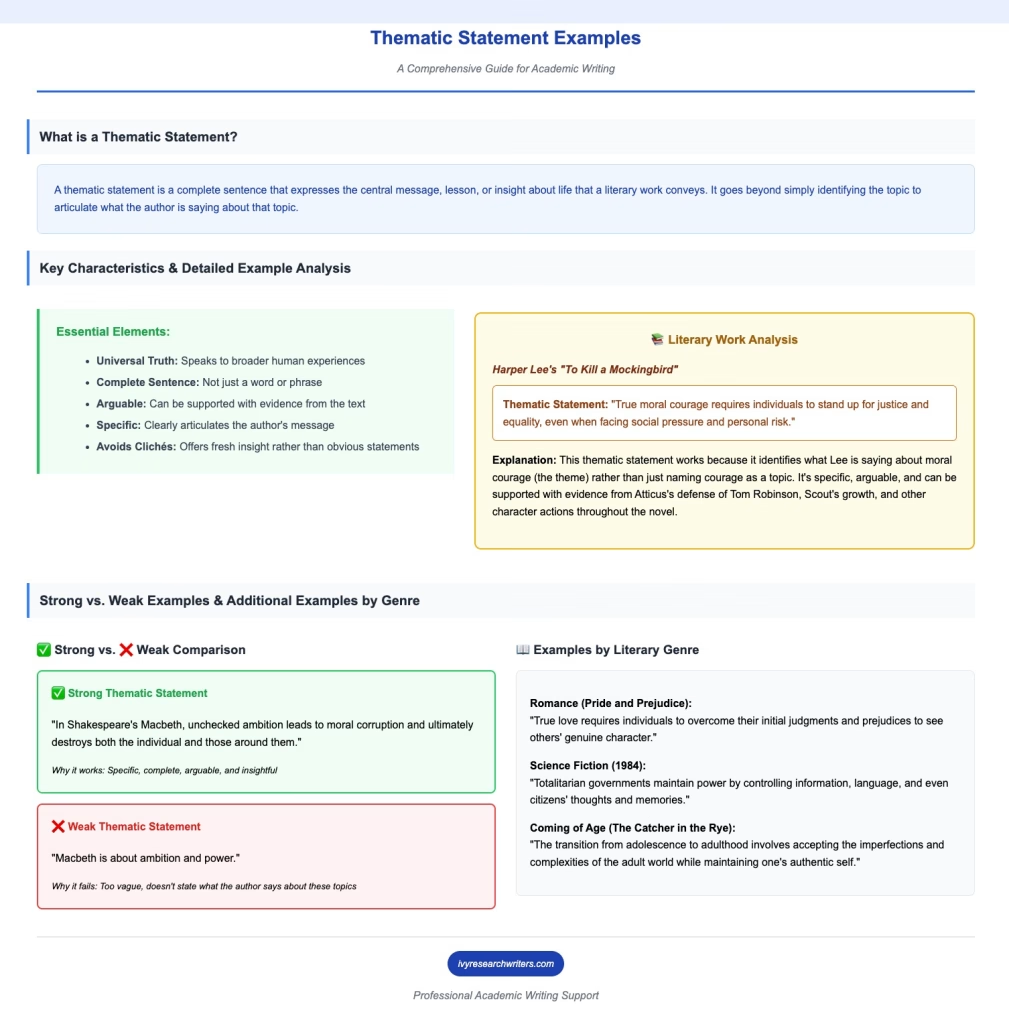
For example, in the novel The Great Gatsby, a theme statement example might be: The pursuit of the American Dream leads to disillusionment and moral decay. This reflects the novel’s exploration of wealth, morality, and the ultimate futility of striving for an idealized version of success.
Braun and Clarke’s Thematic Analysis: How to Analyze Themes in Literature and Research
The process of identifying themes within a story or novel is often done through thematic analysis, a technique that involves analyzing patterns within text. Braun and Clarke’s (2006) framework on thematic analysis has become a fundamental approach in qualitative research for identifying patterns, meanings, and interpretations in data. This method is also widely applied in literary analysis, where scholars analyze how themes underlie the plot and shape the characters.
What Is Thematic Analysis?
Thematic analysis is a method of analyzing qualitative data where you look for recurring topics, ideas, and themes in a body of text, whether it’s a novel, a story, or interview data. In literature, thematic analysis involves reading through a text and identifying major concepts such as love, loyalty, freedom, rebellion, or human conflict, which are woven into the fabric of the narrative.
For instance, in 1984 by George Orwell, the theme of rebellion is explored through the protagonist Winston’s struggle against the oppressive regime of the Party. A thematic statement example for this story could be: Totalitarianism destroys individual thought and freedom. This theme statement encapsulates the overarching message Orwell communicates about the dangers of unchecked power.
Examples of Thematic Statements in Stories and Novels
Examples of theme statements can be found in various works of literature, and each one reflects a central concept that the author is trying to convey. For example:
- In To Kill a Mockingbird by Harper Lee, a possible theme statement could be: Racial injustice and the loss of innocence are central to the story of Tom Robinson’s trial. This reflects how the characters (particularly Atticus Finch) engage with ideas of trust, loyalty, and morality.
- In The Catcher in the Rye by J.D. Salinger, a potential theme statement might be: The challenges of growing up and maintaining one’s innocence are explored through Holden’s experiences in New York City.
These theme statements give us a glimpse into the central theme of the story. By analyzing the thematic statement examples, we can begin to understand what the author is trying to communicate about the human condition, society, and personal struggles.
How to Do Thematic Analysis: A Step-by-Step Guide
Learning how to conduct thematic analysis is crucial for both literature enthusiasts and researchers. Below is a step-by-step guide on how to do thematic analysis and thematic statement examples to identify the central themes of a novel or research data.
- Read the Text Thoroughly: Whether you’re analyzing a story, novel, or a piece of qualitative research data, the first step is to read the material thoroughly. This helps you understand the plot, characters, setting, and context. Look for concepts that seem to recur throughout the text.
- Identify Initial Themes: After reading, list down topics and ideas that emerge as prominent in the text. These could be abstract concepts like loyalty, freedom, rebellion, or crime, or more concrete ones such as action, choice, and consequence.
- Code the Text: Using thematic coding, you can tag specific passages or scenes that represent the themes you’ve identified. For example, you may tag scenes of rebellion or trust in The Hunger Games as they relate to Katniss’ struggles.
- Review and Refine: After coding, review your themes and refine them. Ensure they represent the author’s message accurately and comprehensively. Themes should also be connected to the characters and their actions in the story.
- Write Your Theme Statement: Finally, based on your analysis, formulate a theme statement that clearly summarizes the central theme. The theme statement should be a single, clear sentence that communicates the author’s message.
Why Do Thematic Statements Matter in Understanding a Story?
Understanding theme statements is crucial because they allow us to decode the message the author is trying to convey. A good theme statement doesn’t just describe the plot or summarize the story; it helps readers understand the deeper concepts and messages that are embedded in the story like the thematic statement examples in this post.
For example, in The Lord of the Rings, the theme statement could be: The battle between good and evil is not only external but also internal, as each character faces their own moral challenges. This theme statement not only summarizes the plot but also points to deeper concepts such as loyalty, trust, and the human condition.
The Power of Thematic Statements: A Post on Thematic Analysis
A post about thematic statements can highlight the role they play in uncovering the deeper meanings of literary works or research studies. Understanding Braun and Clarke’s (2006) thematic analysis framework offers valuable insights into how theme statements can be written effectively, drawing from the language used by authors to convey complex emotions or societal messages. What is thematic analysis in qualitative research? It’s a tool used to explore and uncover patterns in data, making it easier to identify recurring themes across research findings, much like theme statements help identify key concepts within a story.
How to Relate Thematic Analysis to Literary Works
To relate thematic analysis to literary works, it’s important to consider how authors build and develop their theme statement through characters, plot, and language. Braun and Clarke’s thematic analysis approach can be applied here by coding scenes, dialogue, and actions that provide evidence of the central theme. For example, in a novel about sisters, themes of trust and loyalty or identity could emerge, revealing what the author is trying to convey about relationships. What’s a good theme statement here? A theme could be The bonds between siblings can survive even the most difficult challenges—this powerful message often becomes central to stories involving familial connections.
How Thematic Statements Can Compel the Reader to Reflect
A thematic statement has the ability to compel the reader to reconsider their opinions and express themselves differently, especially if the theme addresses relevant, contemporary issues. Using Braun and Clarke’s thematic analysis method, the researcher can decode emotional triggers that compel the audience to feel a deeper connection to the text. For example, an example of a theme might be about overcoming adversity and the need to express one’s true self. The analysis may reveal the rule that characters who express their emotions openly—despite societal pressure to hide—tend to thrive.
A Good Way to Write One of Thematic Statement Examples
To effectively write a thematic statement using Braun and Clarke’s thematic analysis approach, it’s crucial to start by thoroughly analyzing the data or text at hand. Braun and Clarke’s (2006) method emphasizes identifying patterns or themes within the material, which can then be transformed into a thematic statement that clearly expresses the central message. Begin by coding key segments of your data, looking for recurring ideas, concepts, or emotions that align with your research question or narrative focus.
This thematic coding will help you identify and organize the prominent themes. Once the key themes are identified, synthesize them into a clear theme statement that encapsulates the essence of the material, ensuring it resonates with both the evidence you’ve gathered and the core message you aim to convey. By applying this structured method, you’ll be able to produce a powerful message that guides the reader’s understanding of your analysis.
The Role of Characters in Shaping Thematic Statements
In most literary works, the characters play a pivotal role in shaping the central theme. Their choices, actions, and struggles reflect the ideas that the author is trying to convey. For instance, in The Scarlet Letter, Hester Prynne’s experience of public shaming leads to a theme statement like: The consequences of sin and the complexities of forgiveness are explored through Hester’s journey of redemption.
The protagonist, such as Katniss Everdeen in The Hunger Games, shapes the theme of rebellion and freedom through her actions. Without the character’s choices, the message the author is trying to communicate would be less effective.
Need help with your research paper?
Let our experts provide in-depth thematic analysis and deliver a high-quality paper—get started today!
Conclusion: The Power of Thematic Statements in Literature and Research
Thematic statements are much more than just summaries of a story; they are the heart of understanding what a novel, story, or any piece of writing is truly about. Whether you’re examining literature, conducting qualitative research, or crafting your own theme statement example, identifying the central themes and conveying them clearly through a theme statement helps to deepen our engagement with the material.
At IvyResearchWriters.com, we are experts in thematic analysis and research writing services. Whether you’re looking to uncover universal themes in novels, need help with thematic statement examples, thematic analysis coding, or need guidance in writing a theme statement, our team is here to help you explore the deeper meanings of your work.
Reach out to us today to discuss how we can assist with your research paper writing or thematic analysis needs!
FAQs: Thematic Statement Examples: How to Write Theme Statement
What is an example of a thematic statement?
A thematic statement is a clear expression of the premise or underlying message of a story, novel, or piece of writing. For example, in The Great Gatsby, an example theme statement could be: The pursuit of the American Dream often leads to disillusionment and moral decay. This powerful message captures the complex ideas of trust and loyalty in the characters’ relationships. The author says something about societal values and the consequences of individual desires.
What is an example of a thematic statement for hope?
An example theme statement for hope could be: Hope can be a powerful force that helps individuals endure hardships, even when the world seems to be against them. This reflects the complex relationship between race, identity, and survival. It’s obvious in stories of survival that hope acts as a grip for the characters, propelling them forward even in the direst situations. This theme can be explored using Braun and Clarke’s thematic analysis, where thematic coding examples help identify passages that express these emotions.
What is an example of a thematic statement of identity?
An example thematic statement of identity might be: An individual’s journey to self-understanding often involves embracing the complexities of their heritage, confronting societal expectations, and accepting their true self. This theme statement explores trust and loyalty, personal development, and identity. It can be analyzed using Braun and Clarke’s thematic analysis in qualitative research, where thematic analysis in qualitative research helps identify patterns related to race, culture, and social roles.
What is an example of a thematic statement for survival?
An example theme statement for survival could be: Survival is not just about enduring physical hardship, but also about maintaining mental strength and hope in the face of adversity. This reflects the idea that survival often requires more than just conquering physical obstacles—it involves developing emotional resilience. Thematic analysis definition in Braun and Clarke’s (2006) method helps uncover evidence in texts where characters decide to rewrite their destiny or develop new strengths in the face of overwhelming odds.

