

Leisure Activities Examples: The Ultimate Guide to Free-Time Enjoyment for Better Well-Being
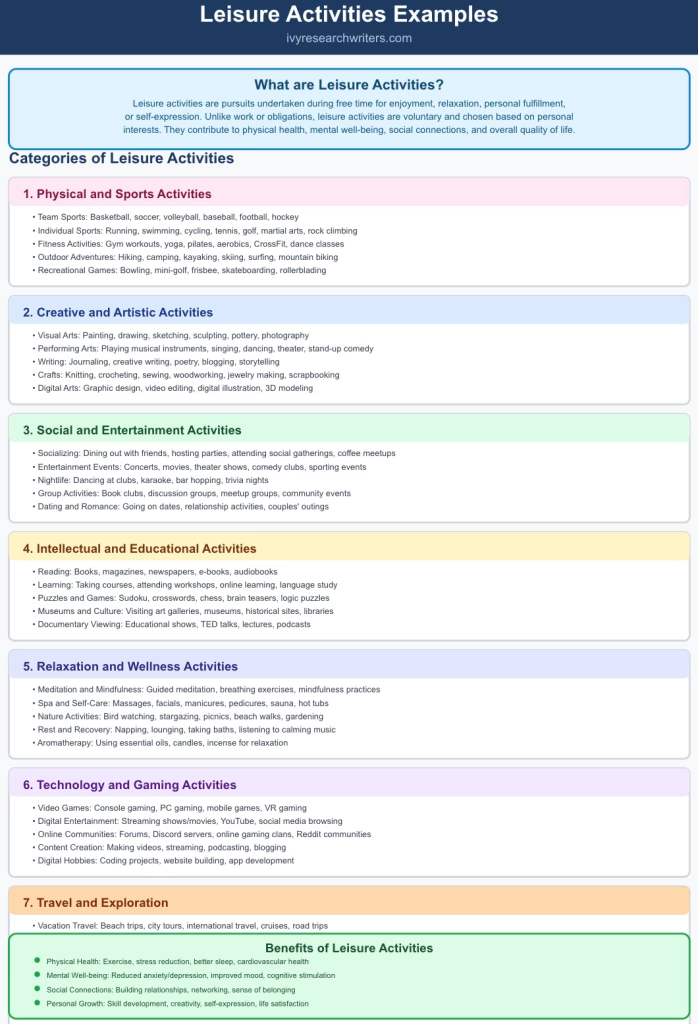
Modern life is busy, fast-paced, and filled with stress and strain. For this reason, finding meaningful ways to spend your leisure time has become more essential than ever. Whether you are trying to reduce stress, explore new passions, or simply make time for personal enjoyment, leisure activities offer a pathway to a balanced and fulfilling life.
In this comprehensive guide, we will explore dozens of leisure activities examples, define key terms such as leisure, recreation, and free time, and highlight how these activities contribute to your overall well-being, mental health, physical fitness, and sense of accomplishment.
Leisure is not just “time off.” It is a powerful tool that improves your life, stimulates your brain, strengthens social bonds, and brings you joy.
Let’s get started.
Leisure Activities
To understand leisure activities, we must first look at the leisure meaning.
In simple terms, leisure refers to activities you choose during free time that bring relaxation and enjoyment. A typical leisure def can be stated as:
“Activities performed voluntarily for pleasure, rest, or personal development.”
Here is leisure in a sentence:
“Engaging in leisure every weekend helps improve my mental and physical well-being.”
A common leisure synonym includes: recreation, downtime, free time, and relaxation.
Activities of leisure include:
- Reading books
- Walking around your neighbourhood
- Listening to music
- Attending social events
- Practicing hobbies
- Watching movies
- Creative projects
- Exploring new places
These are not just fun activities. They support your overall health, help you recharge, and are essential for a balanced life.
Hobby
A hobby is a regular activity that you pursue because it brings you joy. Adults often benefit from hobbies because they help relieve stress and anxiety, especially after a busy schedule.
Hobbies bring:
- Personal growth
- Self-expression
- Relaxation
- Creativity
- Intellectual stimulation
- A sense of achievement
Hobbies like:
- Painting or drawing
- Crafting or sewing
- Cooking new recipes
- Playing musical instruments
- Learning new language skills
- Photography
- Gardening
- Playing video games
- Collecting items
- Journaling
Hobbies can be physical or mental, and both types help keep your mind sharp and your emotions balanced.
Recreational Activities
Recreation and leisure are closely related, but recreational activities specifically involve fun activities that refresh your body or mind.
Recreational activities meaning:
Activities you participate in during free time to restore energy, reduce stress, and improve your overall life experience.
Examples of recreation:
- Swimming
- Hiking
- Biking
- Running
- Yoga
- Bowling
- Group activities with friends or family
- Joining clubs or team sports
These activities encourage physical fitness, social interaction, and emotional satisfaction.
Relaxation
Relaxation plays a vital role in emotional well-being. In a world full of responsibilities, taking intentional time to unwind is necessary.
Activities for relaxation:
- Meditation
- Light stretching
- Aromatherapy
- Solving a puzzle
- Reading novels
- Warm baths
- Herbal teas
- Listening to calming music
- Nature walks
Relaxation helps reduce stress, lower anxiety, and keeps your mind and body functioning at their best.
Outdoor Activities
Outdoor activities became increasingly important during COVID-19, when people needed safe ways to stay active and maintain mental health.
Examples of outdoor activities:
- Hiking nature trails
- Camping
- Gardening
- Jogging in the park
- Kayaking
- Fishing
- Picnics with family
- Birdwatching
- Exploring new locations
- Cycling
Outdoor leisure brings numerous benefits like improved mood, enhanced fitness, reduced stress, and better sleep.
Watching Movies
Watching movies is among the simplest and most popular examples of passive leisure. It allows you to relax, enjoy storytelling, and escape from your everyday routine.
It is a great way to spend time:
- Alone
- With friends
- With family
- With your grandkids
- As part of themed group activities
Movies stimulate your imagination and enrich your emotional life.
Pursuit
A pursuit is any activity you intentionally follow because it enriches your life.
Pursuits expand your worldview, challenge your brain, and keep you motivated.
Popular leisure pursuits include:
- Learning new skills
- Trying new recipes
- Taking photography classes
- Engaging in creative projects
- Studying topics you love
- Writing essays or blogging
- Practicing instruments
- Traveling
The key is to choose activities that make you happy and support personal growth.
Passive Leisure
Passive leisure activities require minimal effort, making them perfect for rest and mental recovery.
Examples of passive leisure:
- Watching movies
- Listening to music
- Sitting outside
- Coloring
- Lying on the couch and relaxing
- Enjoying screen time responsibly
- Observing nature
- Reading short articles
Passive leisure helps you feel refreshed, restored, and ready for the week ahead.
Listening to Music
Listening to music is a universal leisure activity enjoyed across all ages. It provides deep emotional support, improves mood, and stimulates the brain.
Benefits of listening to music:
- Reduces stress and anxiety
- Boosts creativity
- Increases motivation
- Enhances focus
- Improves sleep
- Encourages self-expression
Music can be enjoyed during:
- Exercise
- Cooking
- Driving
- Cleaning
- Studying
- Relaxation
Active Leisure
Active leisure involves physical movement or significant engagement. It promotes health, increases energy levels, and enhances mental clarity.
Examples of active leisure:
- Running
- Jump rope
- Dancing
- Hiking
- Swimming
- Cycling
- Playing sports
- Fitness classes
- Yoga or Pilates
Active leisure supports physical fitness, overall health, and mental well-being.
Bowl
To bowl is a classic leisure activity suitable for all ages. It brings social engagement, motivation, and friendly competition.
Benefits of bowling:
- Fun group activity
- Great for friends or family
- Good for coordination
- Low-impact exercise
- Easy to learn
- Encourages laughter and bonding
Bowling is perfect for adults, children, and even grandkids.
Creative Leisure
Creative leisure encourages self-expression, innovation, and personal satisfaction. It stimulates the brain and nurtures your emotional life.
Examples of creative leisure:
- Drawing
- Painting
- Creative writing
- Crafting
- DIY home décor
- Designing
- Knitting or crocheting
- Sculpting
- Acting or theatre
- Photography
Creative leisure helps you explore new interests and develop new skills.
Stress Relief
Leisure plays a powerful role in stress relief. Whether physical or mental, engaging in enjoyable activities reduces tension, calms your mind, and improves your overall mood.
Stress-relieving leisure helps combat:
- Anxiety
- Burnout
- Depression
- Overwhelm
- Fatigue
Finding activities that align with your interests and energy level is the key to effective stress management.
Physical or Mental
Leisure can be physical or mental, and both forms are essential.
Physical leisure examples:
- Dance fitness
- Hiking
- Swimming
- Sports
- Gardening
Physical activities help maintain fitness, improve heart health, and boost energy.
Need Help Structuring Your Leisure Activities Paper?
Our expert writers can craft clear, compelling sections aligned with academic standards.
Mental leisure examples:
- Reading
- Learning a new language
- Playing puzzle games
- Meditation
- Creative writing
Mental leisure keeps your brain engaged, sharp, and stimulated.
Music Festivals
Music festivals combine outdoor adventure, community, art, and excitement. They are high-energy leisure activities that leave lasting memories.
Why music festivals are great for leisure:
- Joy and fulfillment
- Social interaction
- Exposure to new music
- Cultural exploration
- Group bonding
- Stress relief
Festivals give you a chance to diversify your routine and explore new environments.
Final Thoughts: Choosing the Right Leisure Activities for a Balanced, Fulfilling Life
Finding the right leisure activities is essential for a balanced, fulfilling life. The key is to find activities that allow you to relax, recharge, learn new skills, and express yourself. Whether you prefer active leisure, passive leisure, creative pursuits, group activities, or solo hobbies, leisure enhances your sense of well-being, improves your overall health, and supports emotional stability.
Engaging in leisure helps you reduce stress, stimulate your brain, improve your mood, and build meaningful connections. With the right mix of activities, adults benefit both physically and mentally — making everyday life more enjoyable, meaningful, and balanced.
Frequently Asked Questions
What are examples of leisure activities?
Leisure activities refer to engaging in activities during free time, outside work or school, that bring enjoyment and relaxation. These activities involve personal interests and rewarding experiences that support physical and mental health.
Examples include
- Engaging in hobbies such as painting, knitting, or reading
- Activities like hiking, cycling, or yoga for those who enjoy being physically active
- Spending quality time with friends and family
- Indoor entertainment like to play video games, puzzles, or board games
- Creative pursuits that encourage creativity, such as writing or crafting
At IvyResearchWriters.com, we often recommend leisure routines to students because balanced time management allows you to spend your free time meaningfully while improving productivity.
What is the most common leisure activity?
The most common leisure activity across age groups is watching movies or television, because it fits easily into daily routines and requires minimal preparation. Many people also enjoy social media browsing, listening to music, or gaming. These familiar activities are accessible, relaxing, and serve as a rewarding activity after long work hours.
While passive entertainment is popular, IvyResearchWriters.com encourages students to combine it with more active pursuits that offer the benefits of engaging your mind and body, such as walking, journaling, or light exercise.
What are the 4 forms of leisure activities?
Researchers describe four broad forms of leisure based on how people choose to use their time:
- Passive leisure
Activities that focus on rest and minimal effort, such as watching movies or relaxing outdoors. - Active leisure
Engaging in hobbies or physical experiences like sports, dancing, or gym workouts to stay physically active. - Social leisure
Activities that build communication skills, such as attending gatherings, volunteering, or group classes. - Intellectual or creative leisure
Activities like reading, puzzles, music practice, or painting, which help you learn, present intellectual challenges, and encourage creativity.
IvyResearchWriters.com recommends mixing these four forms because they help you set goals, improve well-being, and create a balanced lifestyle.
What are some good leisure activities?
Good leisure activities are those that support your growth, help you unwind, and enhance your physical and mental health. They should complement your workload and fit naturally into your daily routines.
Highly recommended options include
- Reading or writing for personal enrichment
- Light exercise such as walking, swimming, or team sports
- Engaging in hobbies like photography, cooking, or DIY crafts
- Learning new skills that help you learn and offer intellectual challenges
- Relaxation practices such as meditation or listening to music
- Recreational choices like to play video games, watch movies, or enjoy podcasts
IvyResearchWriters.com encourages students to choose leisure strategies that allow you to spend time meaningfully, strengthen motivation, and improve academic performance.

