

What To Know
- An anti inflammatory diet is one of the most effective ways to support overall health and reduce the risk of chronic disease.
- A healthy diet plays a central role in controlling inflammation.
Anti-Inflammatory Diet: A Complete Guide to Reducing Inflammation and Improving Health
Introduction
An anti inflammatory diet is one of the most effective ways to support overall health and reduce the risk of chronic disease. By focusing on nutrient-dense, whole foods and avoiding harmful dietary patterns, this eating plan helps manage inflammation, a natural process that can become harmful when it persists over time.
When inflammation continues for a long period, it becomes chronic inflammation, which is linked to conditions such as heart disease, type 2 diabetes, arthritis, and even Alzheimer’s disease. This is why understanding the connection between inflammation and diet is essential.
Anti-Inflammatory Diet
An anti-inflammatory diet is one that emphasizes whole, minimally processed foods rich in antioxidant and anti-inflammatory compounds.
Components of an Anti-Inflammatory Diet
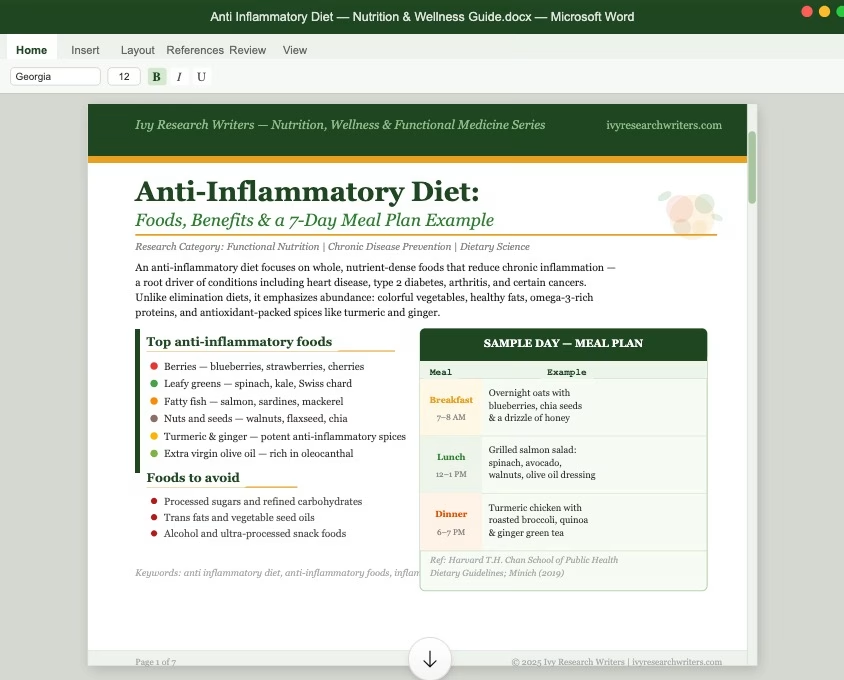
The key components of an anti-inflammatory diet include:
- Fruits and vegetables rich in antioxidants
- Whole grain foods instead of refined carbohydrates
- Fatty fish (like salmon) rich in omega-3 fatty acids
- Nuts and seeds containing healthy fats
- Plant-based foods and fermented foods
These foods contain anti-inflammatory nutrients that help regulate the body’s inflammatory response.
Diet
A healthy diet plays a central role in controlling inflammation.
- A healthy diet rich in plant foods supports immune balance
- Diet patterns like the Mediterranean diet and DASH diet are widely recommended
These diets are considered a specific diet approach that promotes longevity and reduces disease risk.
Inflammation
Inflammation is the body’s natural defense mechanism against injury or infection. However:
- Chronic inflammation can damage tissues
- It contributes to many chronic disease conditions
Understanding inflammation and disease helps explain why diet matters so much.
Inflammatory
An inflammatory state occurs when the body’s immune response is constantly activated.
- This can lead to inflammatory disease such as rheumatoid arthritis
- It is also linked to inflammatory bowel conditions
Managing inflammatory processes is key to long-term health.
Anti-Inflammatory Foods
Anti-inflammatory foods are those that help reduce inflammation and protect the body.
Best Sources
Some of the best sources include:
- Fatty fish (rich in omega-3 fatty acids)
- Fruits and vegetables (berries, leafy greens)
- Nuts and seeds
- Whole grain foods
- Fermented foods like yogurt
These foods contain anti-inflammatory compounds and antioxidant and anti-inflammatory properties.
Examples
- Salmon (rich in fatty acids found in fatty fish)
- Blueberries (high in antioxidants)
- Spinach (rich in vitamins and minerals)
Inflammatory Foods
Inflammatory foods are those that promote inflammation and increase disease risk.
Foods That Cause Inflammation
- Processed foods and ultra-processed foods
- Fried foods
- Processed meat
- Foods high in added sugar
- Refined carbohydrates
- Trans fat and excess omega-6 fatty acids
These are foods that cause inflammation and should be limited.
Whole Grain
Whole grain foods are an essential part of an anti-inflammatory eating plan.
- They provide fiber and nutrients
- Help regulate blood sugar
- Support gut health
Examples include oats, brown rice, and quinoa.
Reduce Inflammation
To reduce inflammation, consider the following strategies:
- Focus on eating anti-inflammatory foods
- Avoid many inflammatory foods
- Follow a structured eating plan like the Mediterranean diet
This approach can help lower your risk of chronic conditions.
Arthritis
An anti-inflammatory diet is especially beneficial for people with arthritis.
- Helps reduce joint pain and stiffness
- Supports those with rheumatoid arthritis
Certain foods may help reduce symptoms by targeting inflammation.
Fat
Not all fat is harmful.
- Healthy fats from fish, nuts, and olive oil have anti-inflammatory effects
- Avoid unhealthy fats like trans fat
The right fats can lower inflammation and improve heart health.
Disease Risk
Following an anti-inflammatory diet can significantly reduce disease risk.
Conditions Linked to Inflammation
- Heart disease and risk of cardiovascular disease
- Type 2 diabetes
- Risk of cancer
- Alzheimer’s disease
An anti-inflammatory diet may help reduce the risk of chronic illnesses and improve overall health.
Anti-Inflammatory Diet is One of the Best Approaches
An anti-inflammatory diet is one of the most effective long-term strategies for health.
- It focuses on whole, nutrient-dense foods
- Helps regulate the body’s immune system
- Promotes balance in inflammatory processes
By following an anti-inflammatory diet, individuals can reduce chronic inflammation and improve well-being.
Practical Tips for Anti-Inflammatory Eating
- Choose healthy foods over processed options
- Practice reading food labels to avoid harmful ingredients
- Follow guidance from institutions like the School of Public Health
- Use a food pyramid approach emphasizing plant-based foods
Related Assignments on Anti-Inflammatory Diet
Students in nutrition, health sciences, and public health courses often encounter assignments related to the anti-inflammatory diet. These tasks help build research, analysis, and practical application skills.
1. Research Essays
- Analyze how a diet rich in anti-inflammatory foods impacts chronic diseases
- Discuss the link between inflammation and disease
Example: Evaluate how diet can help reduce the risk of cardiovascular disease.
2. Meal Planning Assignments
- Create a weekly anti-inflammatory meal plan
- Include foods that protect the body and avoid inflammatory diet patterns
3. Case Study Analysis
- Examine patients with arthritis or type 2 diabetes
- Recommend dietary changes to lower your risk of inflammatory conditions
4. Food Analysis Projects
- Break down food components such as fats, antioxidants, and sugars
- Evaluate how components of foods or beverages affect inflammation
5. Comparative Diet Essays
- Compare the Mediterranean diet with other eating plans
- Discuss which diets may have anti-inflammatory effects
6. Presentation Assignments
- Present the anti-inflammatory benefits of specific foods
- Include examples of foods or beverages may help reduce inflammation
7. Health Promotion Projects
- Design a campaign encouraging people to eat foods that support health
- Highlight how diet can promote overall health and prevent disease
8. Critical Thinking Essays
- Evaluate claims about “superfoods” and inflammation
- Discuss whether certain foods truly contribute to weight gain or inflammation
9. Lab or Practical Reports
- Analyze dietary intake and inflammation markers
- Assess how a diet change affects health outcomes
10. Dissertation Topics
- Long-term effects of anti-inflammatory diets on chronic disease
- Role of nutrition in reducing risk of inflammatory disease
Struggling with essays on diets, health, or medical topics?
IvyResearchWriters.com provides expert academic writing support tailored to your assignment requirements.
Example Comparative Diet Essay: Anti-Inflammatory Diet vs Mediterranean Diet
Introduction
Diet plays a critical role in managing health, preventing disease, and regulating the body’s inflammatory response. Among the most widely recommended dietary approaches are the anti-inflammatory diet and the Mediterranean diet. While both emphasize whole, nutrient-dense foods, they differ slightly in focus and application. This essay compares these two dietary patterns in terms of composition, health benefits, and their role in reducing chronic inflammation.
Overview of the Anti-Inflammatory Diet
The anti-inflammatory diet is a flexible eating pattern designed to reduce chronic inflammation and support overall health. It focuses on consuming foods rich in antioxidant and anti-inflammatory compounds.
Key characteristics include:
- High intake of fruits and vegetables
- Emphasis on whole grain foods
- Inclusion of fatty fish rich in omega-3 fatty acids
- Avoidance of processed foods, added sugar, and trans fat
This diet aims to reduce the body’s inflammatory response and lower the risk of conditions such as arthritis, heart disease, and type 2 diabetes.
Overview of the Mediterranean Diet
The Mediterranean diet is based on traditional eating habits of countries bordering the Mediterranean Sea. It is considered one of the healthiest dietary patterns in the world.
Key features include:
- High consumption of plant-based foods such as vegetables, fruits, legumes, and nuts
- Use of olive oil as the primary fat source
- Moderate intake of fish and poultry
- Limited consumption of red meat and processed foods
The Mediterranean diet has been extensively studied and is associated with reduced risk of cardiovascular disease, improved brain health, and increased longevity.
Similarities Between the Diets
Both diets share several important similarities:
- Both emphasize healthy foods and whole, minimally processed ingredients
- Both include foods that protect the body through anti-inflammatory nutrients
- Both reduce intake of inflammatory foods such as refined carbohydrates and processed meats
- Both are linked to lower risk of chronic and inflammatory diseases
In essence, both diets encourage a diet rich in anti-inflammatory foods that supports long-term wellness.
Differences Between the Diets
Despite their similarities, there are key differences:
- The anti-inflammatory diet is more targeted toward reducing inflammation and may be customized for specific conditions like rheumatoid arthritis
- The Mediterranean diet is a culturally rooted, structured eating pattern with defined food traditions
- The anti-inflammatory diet may include a broader range of foods and supplements specifically chosen for their anti-inflammatory effects
In contrast, the Mediterranean diet focuses more on lifestyle, including social eating and physical activity.
Health Benefits Comparison
Both diets offer significant health benefits:
Anti-Inflammatory Diet
- Helps reduce inflammation and manage chronic conditions
- May lower the risk of cancer and inflammatory diseases
- Supports individuals with autoimmune conditions
Mediterranean Diet
- Strong evidence for reducing heart disease risk
- Improves cognitive function and may reduce risk of Alzheimer’s disease
- Promotes weight management and metabolic health
Both diets demonstrate that diet can help regulate inflammation and improve overall health outcomes.
Practical Application
In practice, these diets overlap significantly and can be combined.
For example:
- Eating fatty fish, olive oil, and vegetables aligns with both diets
- Avoiding ultra-processed foods and fried foods is recommended in both approaches
Adopting either diet—or a combination—can help lower your risk of inflammatory conditions and improve quality of life.
Conclusion
The anti-inflammatory diet and Mediterranean diet are both effective strategies for improving health and reducing disease risk. While the anti-inflammatory diet focuses more specifically on reducing inflammation, the Mediterranean diet offers a well-established, balanced approach rooted in tradition.
Ultimately, both dietary patterns demonstrate that choosing the right foods can significantly impact health. By prioritizing whole, nutrient-rich foods and minimizing harmful dietary components, individuals can reduce inflammation and promote long-term well-being.
References
Estruch, R., Ros, E., Salas-Salvadó, J., et al. (2018). Primary prevention of cardiovascular disease with a Mediterranean diet supplemented with extra-virgin olive oil or nuts. New England Journal of Medicine, 378(25), e34.
Harvard T.H. Chan School of Public Health. (Year). The Nutrition Source: Anti-inflammatory diet.
Hu, F. B. (2003). Plant-based foods and prevention of cardiovascular disease: An overview. American Journal of Clinical Nutrition, 78(3), 544S–551S.
Calder, P. C. (2017). Omega-3 fatty acids and inflammatory processes: From molecules to man. Biochemical Society Transactions, 45(5), 1105–1115.
World Health Organization. (Year). Healthy diet guidelines.
Conclusion
An anti-inflammatory diet is a powerful tool for improving health and preventing disease. By focusing on whole, nutrient-rich foods and avoiding inflammatory triggers, individuals can support their body’s natural defenses and promote long-term wellness.
Whether you are managing a condition like arthritis or simply aiming to improve your health, adopting an anti-inflammatory eating plan can make a meaningful difference.
FAQs: Anti-Inflammatory Diet
What is the best diet to decrease inflammation?
The best approach is a diet rich in anti-inflammatory foods, often modeled after the Mediterranean or DASH patterns.
- Focus on foods that protect the body: fruits, vegetables, whole grains, fatty fish, nuts
- Limit an inflammatory diet high in ultra-processed items, added sugar, and unhealthy fats
- Choose balanced food components (fiber, omega-3s, polyphenols) that deliver anti-inflammatory benefits
In prose: Consistently choosing nutrient-dense options means your diet can help regulate the inflammatory response, lower your risk of inflammatory conditions, and improve inflammation and promote overall health.
What are the 10 anti-inflammatory foods?
Top choices foods include:
- Fatty fish (salmon, sardines) – omega-3s that may have anti-inflammatory effects
- Berries – rich in antioxidants
- Leafy greens (spinach, kale)
- Extra-virgin olive oil
- Nuts and seeds (walnuts, flaxseed)
- Whole grains (oats, quinoa)
- Tomatoes
- Turmeric and ginger
- Green tea – beverages may have anti-inflammatory effects
- Fermented foods (yogurt, kefir)
In prose: These foods or beverages may supply bioactive components of foods or beverages—like polyphenols and fatty acids—that deliver meaningful anti-inflammatory benefits.
How do you flush out inflammation in your body?
There’s no instant “flush,” but you can steadily reduce inflammation by changing habits.
- Eat foods that are minimally processed; avoid foods made with trans fats and excess added sugar that can contribute to weight gain
- Hydrate well; some beverages may have anti-inflammatory effects (e.g., green tea)
- Prioritize sleep and regular movement
In prose: Over time, a consistent pattern of anti-inflammatory eating—paired with lifestyle changes—helps normalize inflammatory markers and lower your risk of inflammatory and chronic conditions.
Can I eat eggs on an anti-inflammatory diet?
Yes, in moderation, eggs can fit within an anti-inflammatory pattern.
- Eggs provide high-quality protein and useful food components (vitamins, choline)
- For many people, eggs may have anti-inflammatory effects when part of a balanced diet
- Pair with vegetables and whole grains rather than processed sides
In prose: As part of a broader diet rich in anti-inflammatory foods, eggs can be included without increasing risk of inflammatory disease, especially when overall intake emphasizes whole, nutrient-dense choices.

